Tired of juggling spreadsheets, competitor analysis, content calendars, and technical audits separately? AI SEO competitor tool solutions now handle what used to demand weeks of manual work—and they do it autonomously. This guide cuts through the noise to show you exactly how ai seo agents tools work, which ones deliver real results, and whether they fit your workflow. We've tested, compared, and validated the best platforms so you can stop overthinking and start ranking.
What is an AI SEO agent and how does it work
An AI SEO agent goes beyond a simple chatbot that responds to your prompts. It's autonomous software that utilizes memory and reasoning to strategize and execute complex tasks. You give it a broad goal, and it operates without requiring constant human guidance.

Agent vs. traditional SEO tool: key differences
A standard SEO tool is fundamentally reactive—it provides an answer to your specific query and then stops. An AI SEO agent, conversely, functions very differently. It chains actions together, retains context from previous interactions, and makes intelligent decisions autonomously.
- Autonomy across workflows: The agent manages entire workflows from initial keyword search to final content optimization and publishing. You set the objective once, without micromanaging every step.
- Memory and context retention: It builds a memory of past decisions, competitor analysis, and your site's analytics. This allows for smarter, contextual recommendations, moving beyond isolated search requests.
- Multi-tool orchestration: It intelligently selects and operates different platforms, such as pulling data from Google Search. This eliminates the need for you to manually transfer information between your Search Console and other tools.
- Adaptive decision-making: The software dynamically refines your strategy based on live performance data. If a page's ranking dips, it proactively suggests corrective actions without waiting for you to notice.
This distinction is critical for your digital strategy. An autonomous agent transforms your role from drowning in repetitive SEO work to focusing on strategic growth and organic visibility.
How the agentic SEO pipeline automation works
The agentic SEO pipeline automates the six core stages that SEO professionals typically perform manually. This automation drastically compresses the timeline, turning hours of work into minutes.
Each stage flows seamlessly into the next. The process includes gathering data from Search Console, conducting keyword research, content drafting, and final publication. This uniform execution ensures consistent application of technical standards, like proper schema markup, across all your content.
Why multi-agent systems outperform single agents
Systems that deploy multiple specialized agents significantly outperform a single, generalist program in both speed and output quality. A lone "do-it-all" agent spreads its capabilities too thin. Employing a team of focused agents allows each one to excel in its dedicated area.
Sedestral's multi-agent architecture demonstrates this effectively. While one agent specializes in drafting blog posts, another performs technical audits, and a third manages backlink building. This creates a cooperative ecosystem that executes tasks faster and with far greater accuracy.
Best AI SEO agent tools compared for 2026
Choosing the right platform comes down to understanding what each agent does and how it integrates with your technical stack. We take a look at the landscape of the best AI SEO agent tools. This helps you manage your daily SEO work with confidence, without guessing.
Sedestral's six specialized SEO agents overview
Among all the AI SEO agent tools, Sedestral stands out by avoiding a generic approach. Alya handles blog automation, Rémi optimizes existing pages and product sheets, Maya builds backlinks from media outlets and niche blogs, Nox manages indexing and technical audits, Marc analyzes your competitors, and Louise creates your images. This solves specific pain points in your SEO workflow without charging you for unused functions.
Key features to evaluate in any SEO agent tool
When consulting an AI SEO tool list, you need to scrutinize data integration and the true depth of automation. A reliable SEO tool pulls its data in real time directly from your Search Console. It connects seamlessly to your CMS and provides suggestions that can be easily validated.
Consistency across your entire site is crucial for any Google Search strategy. The system should flag over-optimization and easily support your specific CMS. It should also integrate perfectly with your existing analytics setup to avoid endless manual data copying.
- Real-time data synthesis: Extracts search volume, ranking fluctuations, and updates directly from Search Console and other third-party platforms.
- Native CMS integrations: Connects directly to WordPress, Shopify, and Webflow to simplify and speed up automated publishing.
- Brand voice consistency: Uses your specific guidelines so the generated text sounds exactly like your human team.
- Transparent scoring: Explains why it suggests an optimization and shows precisely which competitor content is ranking better.
Sedestral easily meets all these essential criteria to improve your visibility in search results. It connects seamlessly to major platforms while maintaining strict brand consistency. It also justifies every recommendation by analyzing competitor content, ensuring clear oversight before publication.
How AI agents automate content creation and optimization
Manual SEO content creation and its ongoing search optimization can become a serious drain on your team's time and budget. An agentic SEO pipeline lets an AI agent handle the heavy, data-driven work. This type of automation condenses months of tedious search analysis and writing into just a few weeks.

Alya: full blog automation from strategy to publication
With an AI-powered SEO approach, a dedicated agent takes charge of your entire blog lifecycle. Alya manages everything—from building a keyword strategy to generating a full editorial calendar. It produces complete, structured articles complete with images and internal linking.
- Keyword strategy from competitor analysis: Alya avoids guesswork by reverse-engineering top-ranking pages. It identifies user search intent and surfaces keywords your competitors overlooked.
- Editorial calendar generation: It plans weeks of automated content creation based on keyword difficulty and search volume. No more blank calendars or last-minute writing scrambles.
- Complete article generation: The agent writes comprehensive posts with proper headings, internal links, and helpful schema markup—ideal for featured snippets and FAQ sections.
- One-click validation and publishing: Review the draft, make minor tweaks, and publish. The article goes live on your CMS without manual formatting.
By letting Alya manage the process, you maintain a consistent publishing rhythm. Regular output improves user engagement and boosts visibility in search. Visitors always find fresh, relevant content when they arrive.
Rémi: quick-win optimization and semantic scoring agent
Great content means little if your pages aren’t ranking. Rémi analyzes your existing pages against top Google results. It rewrites text to improve relevance—without keyword stuffing—helping you climb the rankings.
The tool prioritizes pages lingering just outside page one for quick wins. It provides a semantic score based on topic coverage, helping you identify high-ROI opportunities. Since Google already knows these pages, ranking improvements often come within months.
Technical SEO Automation and Competitor Agent Capabilities
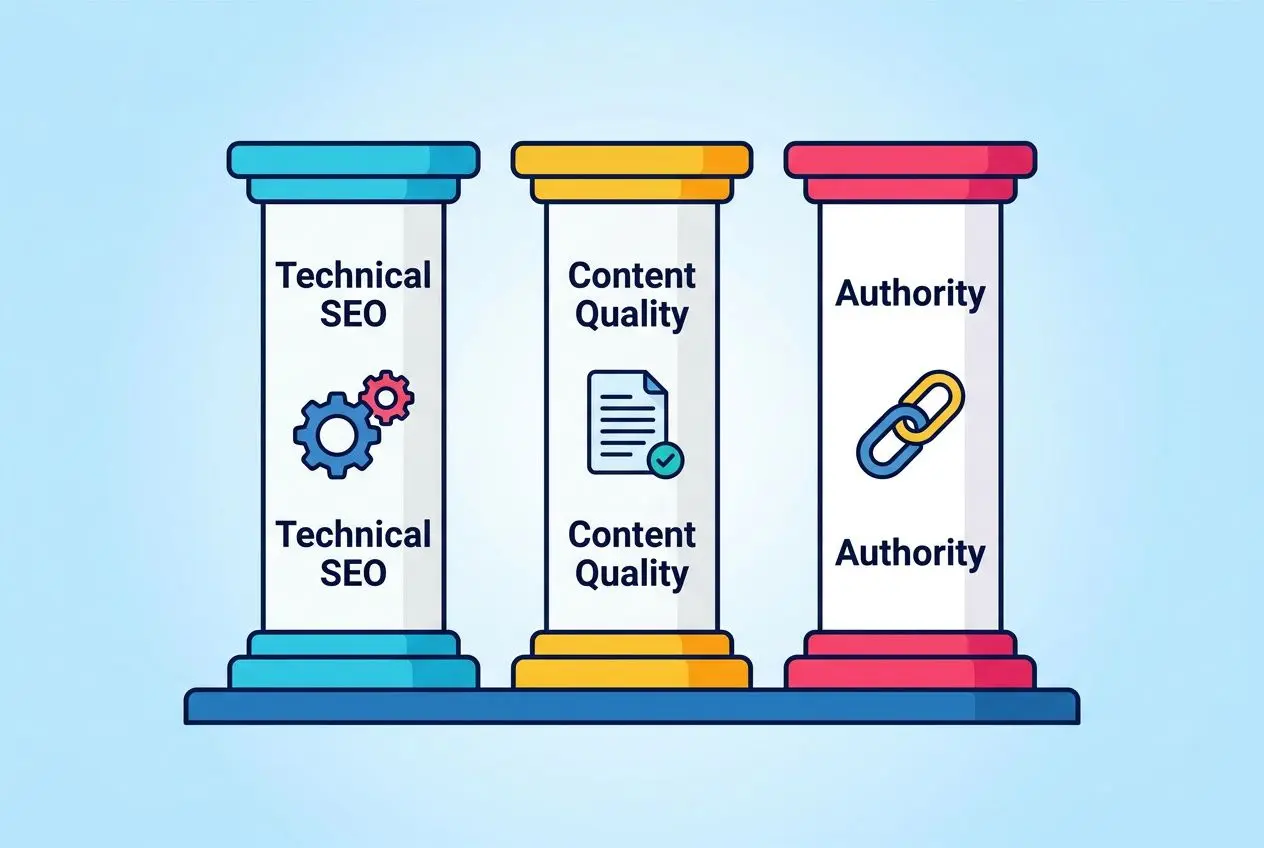
Securing a top ranking depends on three pillars: quality content, a solid technical foundation, and established site authority. Merely tracking competitors offers limited value without powerful optimization backing your own site. That's where specialized agents come in. Nox handles the technical SEO automation, while Marc ensures you strategically outperform rivals where it matters most.
Nox: Automated Technical Audits and Real-Time Alerts
Nox delivers true technical SEO automation by scanning your HTML structure, redirect chains, and potential site errors. It then generates a prioritized action plan to boost your search performance and visibility rapidly. The system also conducts regular tests on page speed, local search alignment, and structured data markup.
The real strength of this agent lies in its continuous monitoring—not just one-off audits. Nox sends instant alerts for traffic loss or emerging technical flaws, allowing you to prevent ranking drops before they escalate. This ongoing automation detects critical issues, diagnoses traffic dips, and proposes immediate recovery steps.
Many teams only catch major errors after a ranking collapse—often too late to react effectively. Nox spots these hidden weaknesses early, safeguarding your Google Search visibility from unexpected penalties. For larger sites, this persistent automation effortlessly replaces costly monthly manual audits.
Marc: Competitor Tracking and Keyword Opportunity Agent
A dedicated competitor SEO agent does more than highlight leaders—it pinpoints the exact keywords you can realistically conquer. Marc identifies rivals you can actually outrank in today’s search landscape, then dissects their traffic and keyword strategies to uncover actionable optimization openings.
- Position tracking and trend analysis: Marc maintains full rank tracking history for your keywords and core competitors. This persistent tracking highlights sudden ranking shifts that often reflect algorithm updates.
- Quick-win identification: The agent prioritizes keywords hovering just outside the top ten results. By evaluating search volume and difficulty, it flags high-value targets requiring little effort to ascend.
- SERP automation without manual research: Marc automates SERP analysis, removing tedious research from your routine. It extracts insights from competitor content that outranks yours, showing exactly what to emulate or improve.
- Geographic and device-based tracking: It breaks down rank tracking data by location and device—essential for validating mobile-first indexing and regional performance.
Marc pulls all your daily SEO data into one dashboard for an at-a-glance performance overview. No more switching between Search Console, rank tracking tools, and third-party apps. You also receive real-time alerts when your pages gain traction or competitors lose ground.
How to Choose and Implement the Right SEO Agent Tool
Grasping what an agent does is straightforward, but weaving it into your ongoing SEO strategy demands more thoughtful planning. Let's explore the key evaluation criteria, the pricing trade-offs to consider, and how to blend this powerful automation with essential human skill.
Free vs. Paid AI SEO Agents: What to Consider
You'll find a myriad of free AI SEO agents available for initial experimentation. However, these unpaid versions typically come with significant restrictions on core features and offer limited platform integrations. In contrast, paid AI SEO agents generally deliver superior tracking capabilities and a demonstrably higher return on investment for serious work.
A free tier can be perfect for a solo blogger looking to test basic optimization features on a personal website. For an agency managing a large portfolio of client sites, a paid plan is almost essential. The improved ranking and traffic from just a few successfully optimized articles can easily justify the monthly subscription cost.
- Content Volume Limits: Free tools cap your monthly article analysis or generation, while paid options frequently provide unlimited capacity.
- Integration Breadth: Unpaid tools usually connect only to basic platforms; paid versions integrate seamlessly with complex tech stacks and advanced tracking systems.
- Data Sources and Depth: Premium platforms link directly to Google Search Console and offer extensive, historical rank tracking—this deep data integration is crucial for improving your Google Search visibility.
- Agent Specialization: Paid services often supply dedicated, specialized agents for technical audits and backlink analysis, moving beyond a single, generic assistant.
Sedestral offers a free plan, then paid plans from €119 per month (shown in your local currency), with no commitment and 30% off with annual billing.
Maya: Backlink Agent for Authority Building
Any successful SEO agent implementation must prioritize modern, scalable link building. Maya functions as a specialized backlink agent, meticulously auditing your existing profile to identify both high-quality linking domains and potential toxic links. It simultaneously conducts competitor research to uncover valuable, white-hat opportunities you might have missed.
The agent goes beyond analysis by creating a custom acquisition plan that moves past outdated cold-outreach blasts. It selects media outlets and niche blogs with real traffic, submits every link for your approval before purchase, and checks that acquired links stay live: if one disappears during the guarantee period, it's replaced or refunded.
Hybrid Human-Agent Model for Sustainable SEO Growth
The most effective and sustainable approach combines automated tools with skilled human oversight. AI agents excel at handling tedious, large-scale data analysis and constant, real-time monitoring. This automation frees up human experts to inject vital creativity, strategic thinking, and nuanced contextual judgment into the process.
During keyword research, for instance, an AI can rapidly analyze vast volumes of user search intent data to build comprehensive topic clusters. SEO professionals then take these insights to refine and build a nuanced, long-term content strategy. Similarly, software can manage heavy technical research and implement complex schema markup at scale, while humans focus on refining the overall site architecture and user experience.
This hybrid workflow significantly scales your team's output and impact without making valuable human expertise redundant. One marketer, empowered by the right AI SEO agent tools, can effortlessly manage multiple complex projects simultaneously. Ultimately, striking the right balance between powerful automation and thoughtful human oversight is what guarantees lasting ranking success.