Google AI Overviews are changing how people get information online. Sitting right at the top of the search results, these AI-generated summaries built by AI models deliver an instant synthesis pulled from the best sources, and they're reshaping SEO strategies in the process. The big question: how do you stay visible when Google shows the answer before anyone clicks?
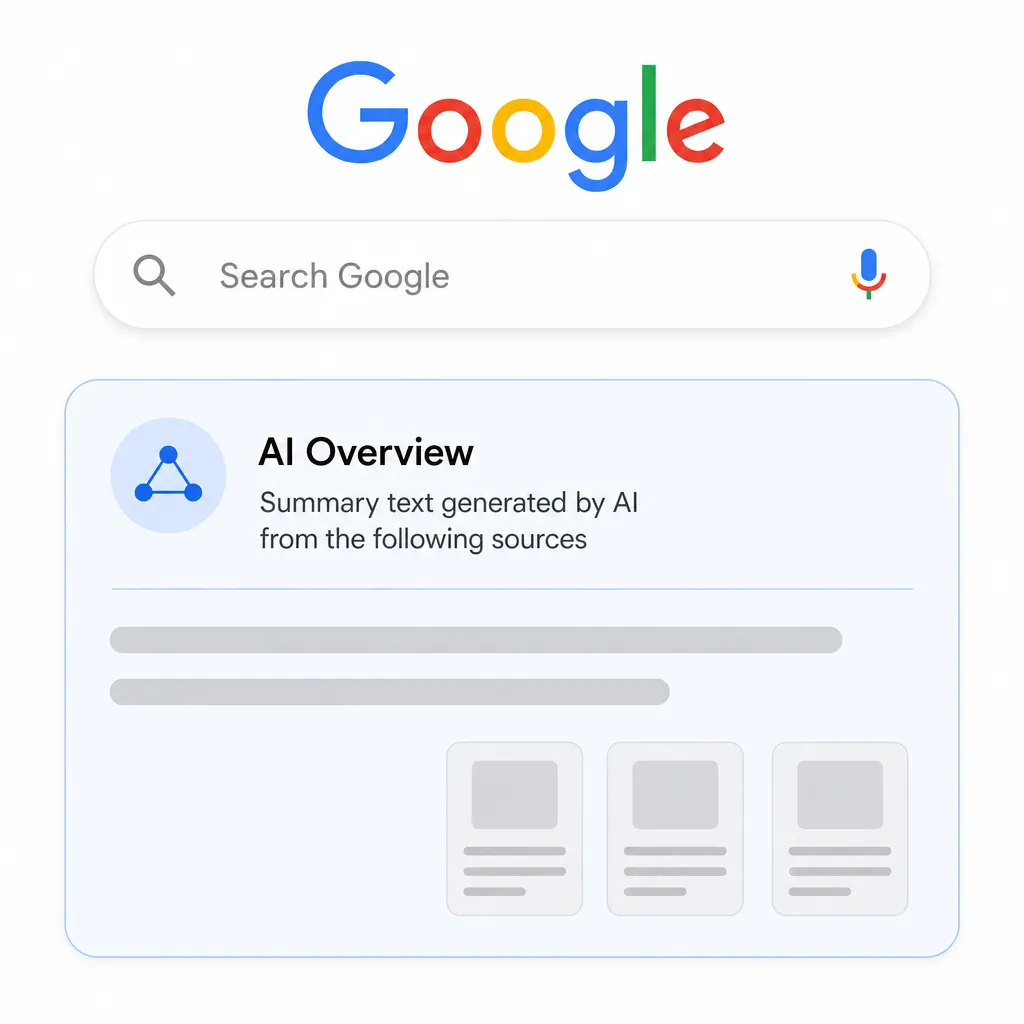
This guide walks you through how AI Overviews actually work and their impact on your organic traffic. You'll learn how to optimise your content so the algorithms treat you as a reference source, and how to keep your visibility in Google Search intact.
The Sedestral take: our team tracks every change in Google's AI search to keep our SEO tools sharp. Here we share the techniques that work for staying visible in these new search results.
What is an AI Overview and how does it work?
An AI Overview is a direct answer displayed at the top of the SERP, above the classic blue links. Unlike a featured snippet, which quotes a single source, it pulls from several pages to build a complete summary of the key information available.
The technology combines traditional crawling, indexing and large language models like Gemini. Google first scans its index, then its artificial intelligence analyses the query and extracts the essential elements.
The 4-step generation process
- Understanding the query: the algorithm works out the real intent behind the searcher's question.
- Searching the index: it selects the most relevant, trustworthy pages from its index.
- Analysing the content: it automatically extracts facts, definitions and key data through semantic processing.
- Building the summary: it produces a clear synthesis that cites the sources it used.
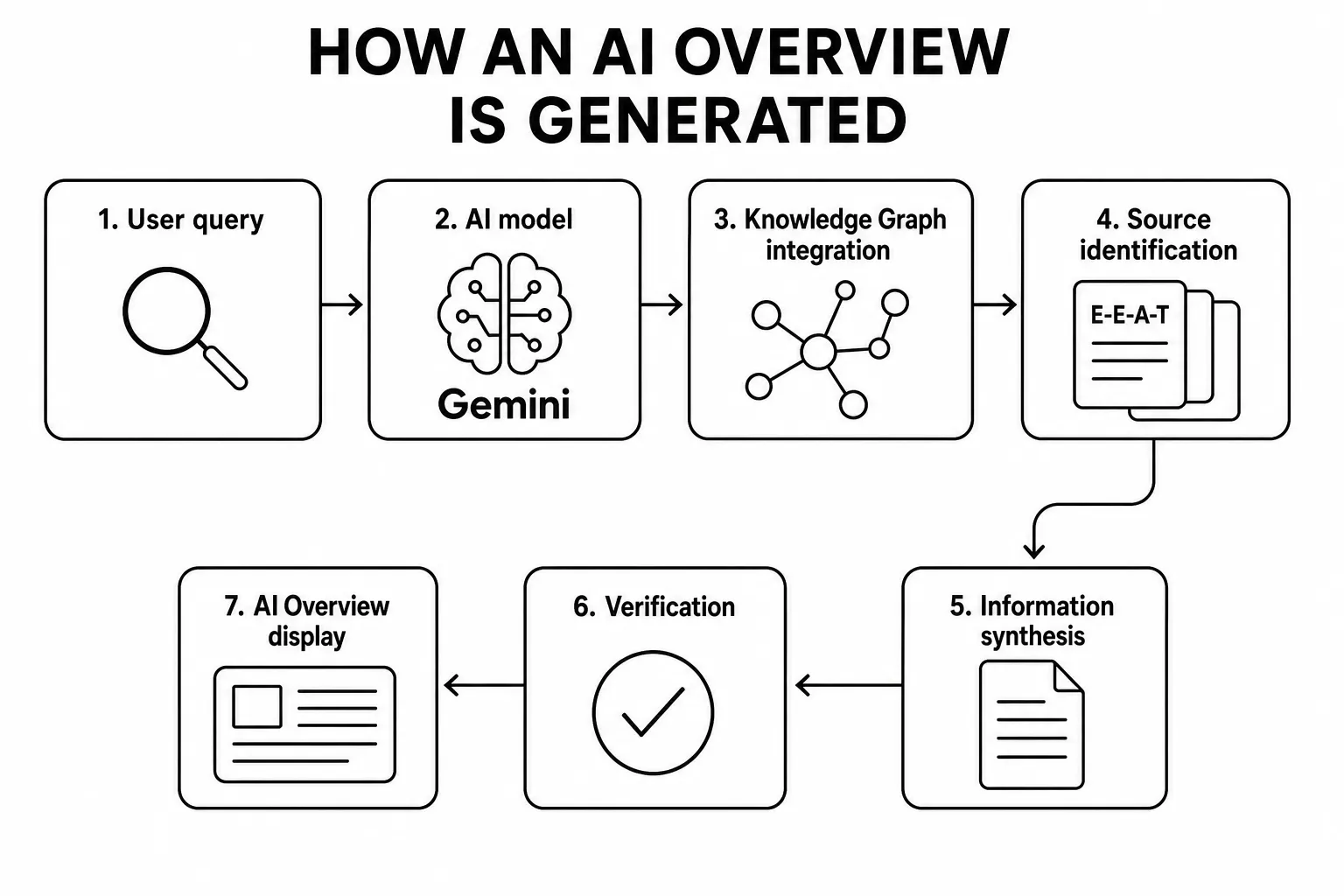
This RAG system (Retrieval-Augmented Generation) keeps the information current by checking the live web rather than relying solely on what the language model learned during training.
When do AI Overviews appear in the results?
AI Overviews mostly show up for complex queries that need information from several reliable sources. They appear especially for detailed questions like "how to set up a limited company" or comparisons involving several criteria.
This search feature, launched in the US in May 2024, has since rolled out to the UK and more than 200 countries and 40 languages. The system automatically offers a synthesis whenever it judges that one brings more clarity than a plain list of links, showing a concise summary directly on the results page.
Some search types trigger these overviews almost every time: in-depth how-to guides, technical explanations, trip or event planning, and any question that requires cross-checking several references.
Impact of AI Overviews on traffic and SEO
The impact of AI Overviews on visibility and organic traffic is significant. An Ahrefs study published in February 2026 found that an AI Overview correlates with a 58% lower average click-through rate for the top-ranking page.
Illustrative CTR scenario by position (not measured data)
| Organic position | CTR before AI Overview | CTR with AI Overview | Change |
| Position 1 | 28.5% | 22.5% | -6.0% |
| Position 2 | 15.7% | 13.2% | -2.5% |
| Top 4 combined | 65.2% | 57.9% | -7.3% |
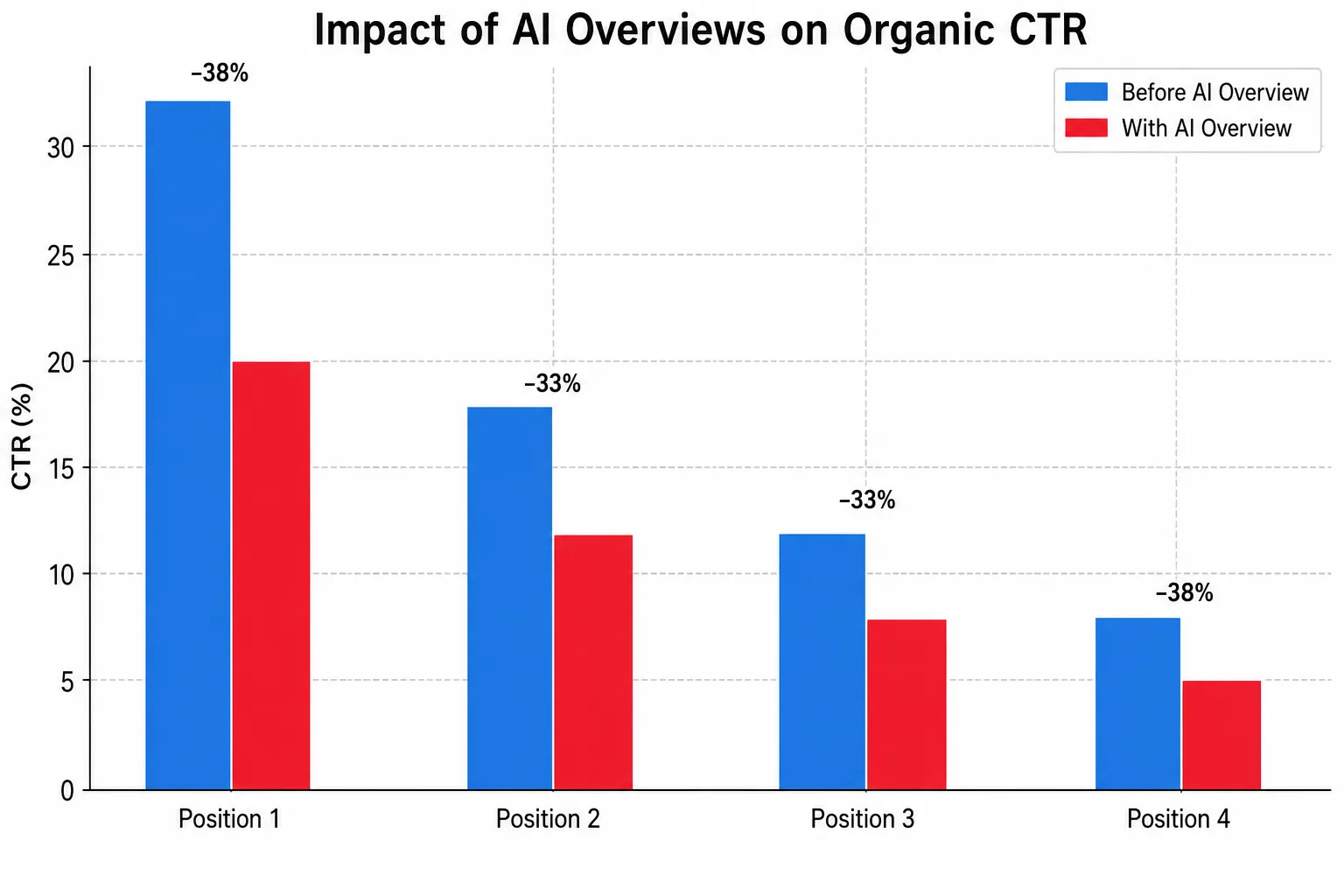
Behind that overall drop sits a more nuanced picture: sites cited as sources gain authority and attract a more qualified audience. So the SEO game is shifting. Getting clicks is no longer enough, you now need to be recognised as a reference by generative AI.
Winning content vs losing content
Content hit hardest: basic definitions, overly generic FAQs and simplistic tutorials that the AI can summarise in full. These pages lose a large share of their traffic because the tool hands over the complete answer on the spot.
Content favoured and cited: unique analyses built on exclusive data, well-organised comparisons and in-depth case studies. Add sourced content with verifiable expert opinions, summary tables and anything backed by reliable references. These formats significantly improve your chances of landing in the cited links of these rich results.
Illustrative scenario: a retailer losing clicks on a broad query such as "best headphones" can respond with detailed spec sheets and comparison tables, content that answers the query more completely than a summary does.
How to optimise your content for Google AI Overviews
Showing up in Google's AI results calls for a GEO approach (Generative Engine Optimization) that complements classic SEO. Three strategic pillars matter: structuring content for AI models, strengthening your E-E-A-T credibility and tracking the right metrics.
Structure for optimal AI extraction
Generative AI systems favour well-organised content that's easy to parse. Here are the best practices to adopt:
- Introductory summary: put a clear answer (40-150 words) to the main query right in the introduction to maximise its chances of being extracted.
- Structured data: no special markup is required for AI Overviews, but accurate JSON-LD (Article, Product, Organization) still helps Google interpret your content correctly.
- Suitable formats: favour lists, comparison tables, numbered steps and summary boxes, all ideal for AI models.
- Clear structure: keep a logical H2/H3 hierarchy, with precise headings and self-contained sections.
Learn how to adapt your content to Google AI Overviews
Strengthen your E-E-A-T authority
Experience, Expertise, Authoritativeness and Trustworthiness are essential if you want the algorithms to pick you as a reliable source:
- Show your expertise: introduce your authors (qualifications, experience), share real-world tests and cite verifiable studies.
- Assert your leadership: build an ecosystem of complementary content and collaborate with specialist media in your field.
- Guarantee reliability: systematically add sourced links to recognised institutions, flag updates and fix errors quickly.
Measure and iterate your GEO strategy
To track AI Overviews effectively, you need specific KPIs that differ from classic SEO metrics:
- Appearance frequency: identify the queries that trigger overviews where your site is cited as a source. Search Console counts AI Overview appearances inside the Performance report with no separate filter, so use dedicated SERP monitoring tools.
- Post-citation CTR: analyse the click-through rate coming from overviews that mention you. A low CTR means the snippet or the call to action needs work.
- Traffic value: assess time on site, conversions and engagement from visitors arriving via AI Overviews. They often carry higher potential.
- A/B tests on structure: try different versions (intro summary, lists, markup) to find the formula that maximises your visibility.
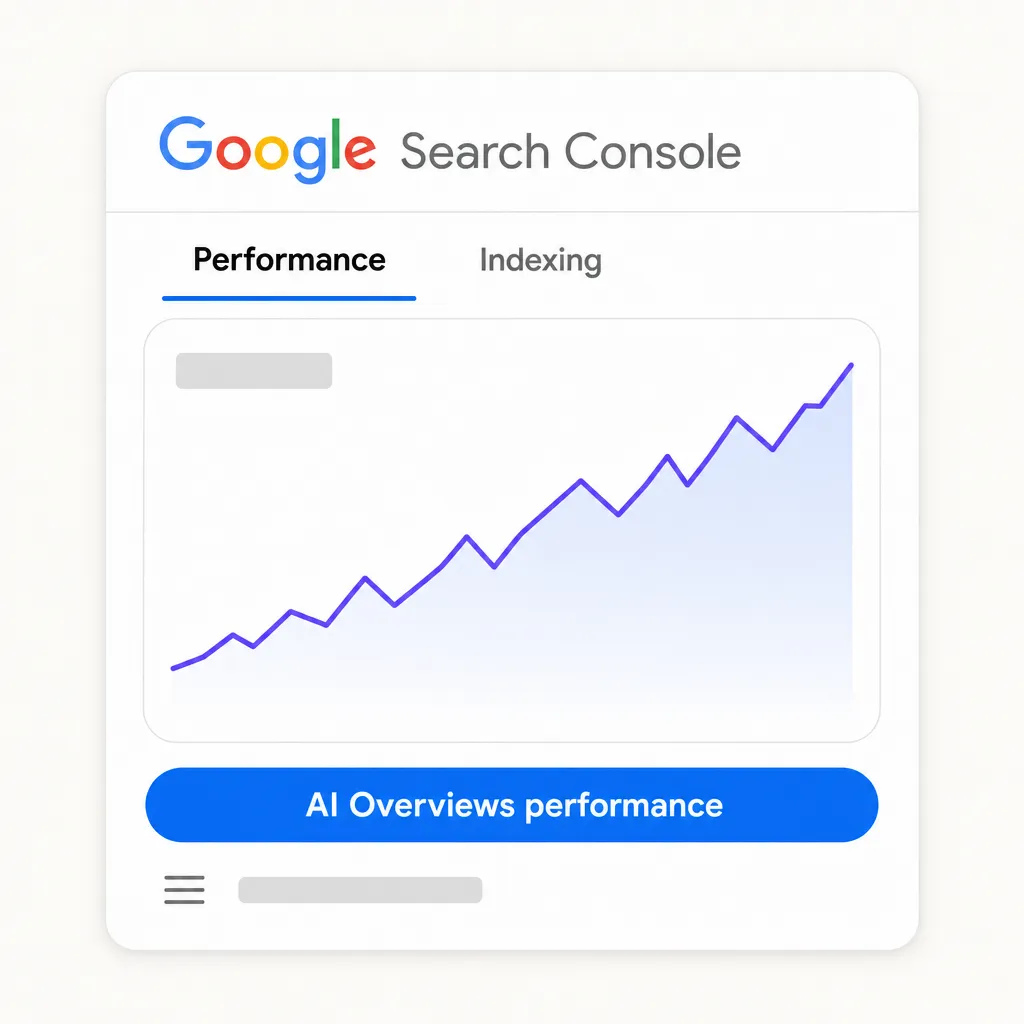
Sedestral now offers automated AI visibility tracking: prompts are checked weekly on ChatGPT, Gemini, Perplexity, Google AI Overviews and Google AI Mode to see whether your brand is cited, with sentiment and the competitors mentioned instead. A practical way to spot improvement opportunities fast.
AI Mode: deep research and advanced generation
Google Search's AI Mode reinvents traditional results by automatically breaking complex questions down through a "query fan-out" method. Faced with a query like "plan a trip to Edinburgh", the AI fires off several sub-queries at once (accommodation, restaurants, transport, weather) and assembles the answers into an organised synthesis.
The technology blends text, images and sometimes video to deliver a complete, interactive summary. Deep Search pushes the analysis further still, exploring hundreds of sources to produce detailed reports on niche topics.
To maximise your presence in these advanced results, adopt these best practices:
- Create hyper-targeted pages that answer one precise intent.
- Enrich your content with multimedia elements (video transcripts, well-tagged images).
- Implement complete structured data markup (Product, LocalBusiness, VideoObject as needed).
Read our guide to SEO for LLMs and AI search
Practical actions to succeed with GEO
An adapted content production workflow
Go for a hybrid method that fully combines the analytical power of AI with human know-how to create content that lasts. This synergy gives your SEO an immediate boost, grows your visibility and produces a quality summary that both your readers and the algorithms will recognise as a relevant source.
- Preliminary phase: research: use AI tools to pinpoint search intent and the questions people ask most often.
- Modular structure: design reusable blocks from the start (FAQs, comparison tables, summaries) optimised for AI Overviews.
- Human review: have an expert proofread to guarantee accuracy, brand tone and real added value.
- Technical optimisation: implement rigorous JSON-LD markup and test it with the Schema.org validator so search engines understand it easily.
- Faster go-live: use Search Console and refresh your sitemap to get your newly optimised pages indexed quickly.
Priority pages to optimise
Focus your efforts on the content with the highest commercial and brand impact. This focus makes the most of your resources and quickly strengthens your presence on strategic queries.
- Key informational content: how-to guides, tutorials and glossaries that traditionally pull in substantial qualified traffic.
- Flagship commercial pages: product and service pages that directly influence your revenue.
- Expert content: original research, industry comparisons and resources regularly cited as a reference source.
The Sedestral approach: our SEO optimisation solution systematically scans your pages, detects GEO opportunities and suggests targeted improvements (markup, structured formats, E-E-A-T reinforcement). By combining artificial intelligence with expertise, we maximise your chances of appearing in AI Overviews and amplifying their impact.
Diversifying your visibility channels
Get ahead of organic traffic swings by building a multichannel presence on platforms you control. This approach protects your audience while extending your visibility beyond the classic results.
- Acquisition strategy: turn your best guides into lead generation tools to build a loyal subscriber base.
- Professional networks: share your expert content on LinkedIn and the specialist platforms of your industry.
- Paid complement: back up your organic SEO with PPC campaigns targeting your most profitable pages.
- Engaging tools: build calculators, comparison tools or diagnostics that bring visitors straight back to your site.
Limits and precautions with AI Overviews
Reliability and fact-checking
Even though AI-generated summaries save time, they can contain inaccuracies, such as wrong dates or oversimplifications. For sensitive topics (YMYL), checking every point is crucial, because these generated summaries remain algorithmic suggestions, not definitive human analysis.
Always cross-check important data against the original source before using it. AI makes research easier but doesn't replace your own judgement. Its results aren't absolute truths, just shortcuts to the information.
Control and privacy
Evaluate the relevance of AI-generated answers and report errors through the feedback system. If you prefer a classic search without the automatic synthesis, simply switch to the "Web" tab to run your queries manually.
Your interactions help improve the AI models, but you can limit that processing by turning off "Web & App Activity" in your Google settings. This reduces data collection while keeping your core features.
The future: multimodal search and Deep Search
The next generations of search engines will analyse text, images and voice at the same time to deliver contextual answers. Picture this: you photograph an object, ask a question out loud, and watch the AI merge those inputs into a personalised summary with detailed information.
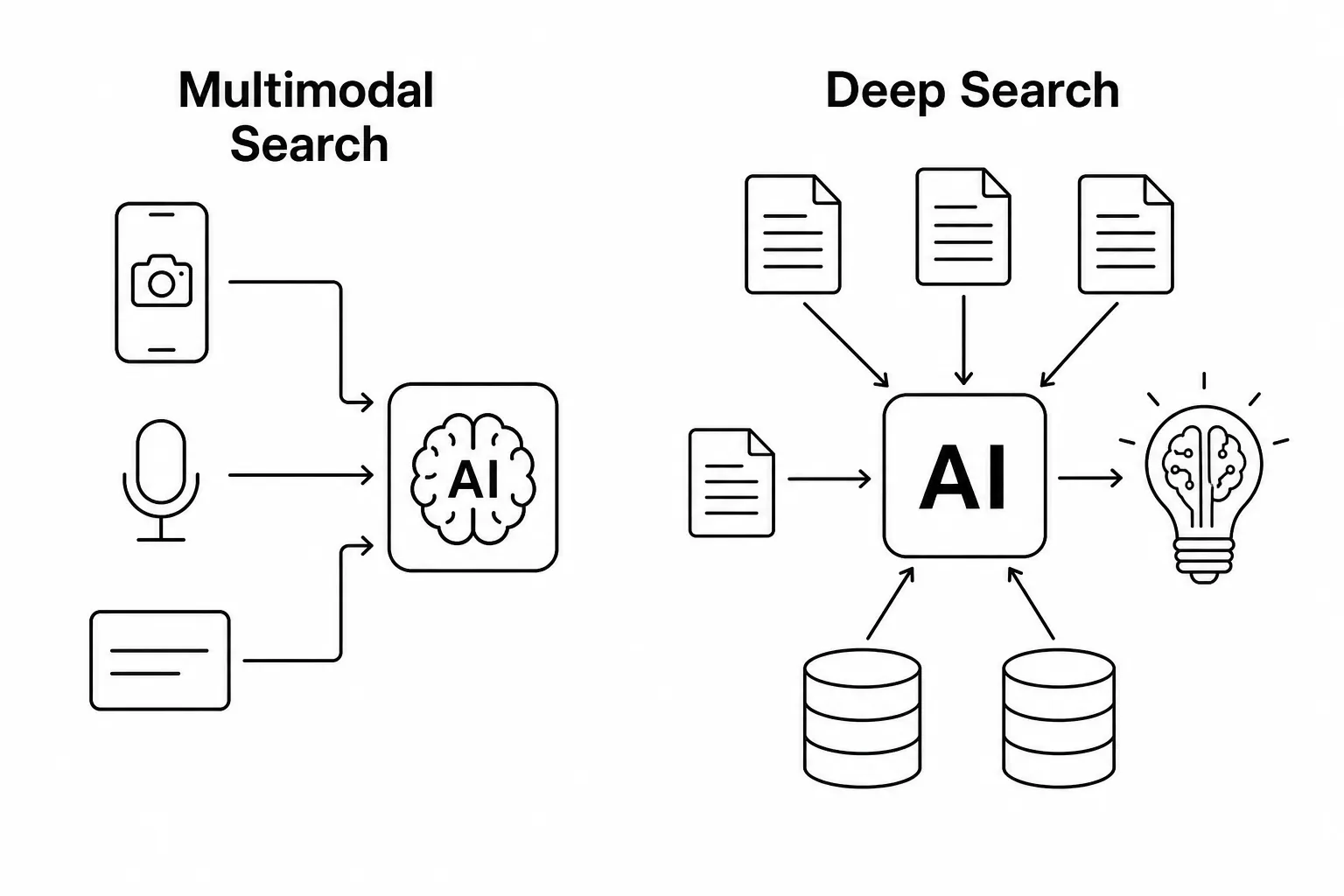
To optimise your visibility: create annotated transcripts and precise image descriptions, and adapt the format to your audience. An AI-optimised summary attracts the algorithm, while comprehensive content satisfies your readers and reinforces your standing as a source.
- Enhanced transcripts with timestamps and key terms
- Explicit image descriptions (complete alt text including context)
- Flexible content with short versions (for the AI) and long versions (for humans)
Conclusion: aim for citability, not just clicks
Google's AI Overviews don't spell the end of SEO. They simply reshuffle the priorities. The goal is no longer to win a click at any cost, but to become an essential source the algorithms choose to cite. This new approach rewards content quality, demonstrated expertise and reliability above all in Google search results.
By applying the fundamentals of SEO, such as a clear structure, proven expertise (E-E-A-T), rigorous markup and multimedia formats, you maximise your chances of appearing in AI-generated summaries while keeping your visibility in the classic results. Your content becomes accessible both as a summary and through traditional organic links.
At Sedestral, we've already built these new requirements into our solutions to support you through this transition. The challenge is no longer just ranking well, but creating content so relevant that artificial intelligence automatically selects it as a reference in its AI-generated snippets.

Rank Higher Without the Manual Work
From technical audits with Nox to competitor monitoring with Marc, Sedestral's AI agents cover every layer of SEO so your team doesn't have to.