You're publishing quality content and optimising your pages, yet your site still struggles to break into the top results on Google? The answer is right in front of you: it's the SERP (Search Engine Results Page).
SERP analysis is far more than another SEO technique. It's the art of reading what Google and searchers really want. In this practical guide, we go well beyond theory. We show you concretely how to interpret the SERP, understand the intent hiding behind every query, and turn those insights into an SEO strategy that works. Once you've read it, you'll never look at a results page the same way again.
What is SERP analysis and why does it matter for your SEO?
SERP analysis means examining Google's results page in detail for a given keyword. This careful work lets you size up the competition, spot SEO opportunities and, above all, shape your content to fit both what the search engine expects and what users actually need.
A solid SERP analysis is the foundation of any high-performing SEO strategy. It helps you choose keywords with precision, make your pages more relevant, and grow your organic traffic and rankings over the long term. For sharper tracking, pair your rankings with the impressions, clicks and CTR data from Google Search Console.
Our SERP analysis tool gives you complete SEO tracking: daily rankings, clicks and impressions pulled from your Google Search Console (with a 2 to 3 day delay) to analyse your rankings and traffic, alerts on fluctuations, detailed history and competitor benchmarking. The interface cross-references position, volume and difficulty to flag priority keywords, underperforming content and pages ranking between positions 11 and 20 with untapped potential, so you can fine-tune your approach quickly and boost your organic visibility.
Discover the full SERP analysis
Step 1: decode the anatomy of a results page
Let's start by understanding what you actually see on Google today. A modern SERP is far more elaborate than the plain list of links we used to know. Here's our 4-point method: (1) use a private browsing window to get neutral results, (2) type in your main keyword, (3) note the different elements displayed, (4) study the top 5 organic results closely.
Let's take the query "best robot vacuum" as our example throughout this analysis.
💡 Pro tip: For an objective view, always use private browsing or a dedicated SEO tool. That removes the influence of your search history.
At the top of the results page, you'll usually find the paid ads, followed by what we're really after: the organic results, which include:
- Titles (title tags) and meta descriptions: These decisive elements directly influence click-through rate.
- URLs: They often give clues about how the site is structured and organised.
- Rich snippets: Visual extras like star ratings, prices or dates that catch the eye.
On the SERP, you'll also run into a range of special features:
- Featured snippets (position 0): A direct answer pulled from a web page.
- People Also Ask (related questions): An interactive question-and-answer module.
- Local pack: A map with business listings for location-based searches.
- Video carousel: A selection of relevant videos, mostly from YouTube.
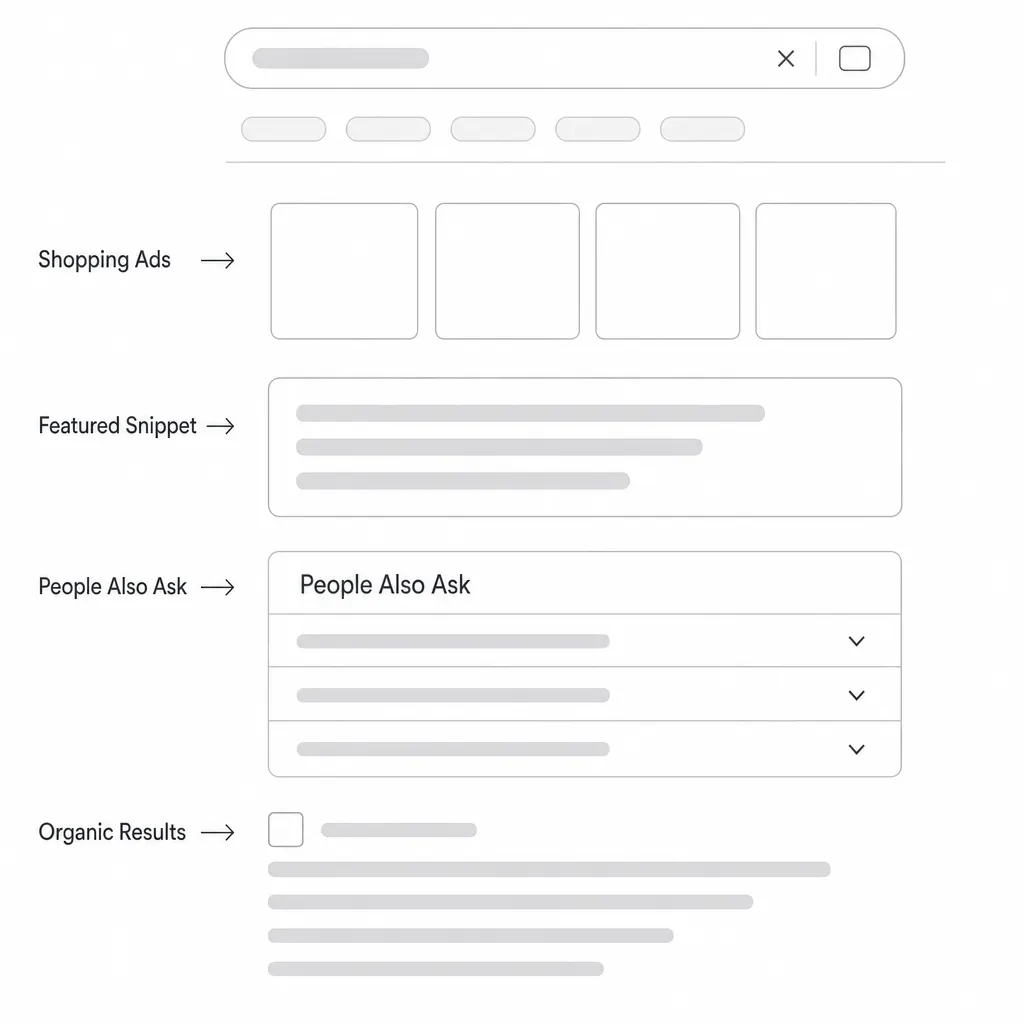
Analysing how these components are laid out helps you understand the nature of the query and how hard it will be to improve your ranking. By comparing mobile and desktop versions, and checking for geographic variations, you can optimise your content for the context it's actually used in.
Step 2: identify the search intent (the "why")
This step is fundamental to ranking well. The SERP shows clearly what Google believes searchers need. Understanding the real goal behind a search is the key to a winning SEO strategy. You'll generally find 4 main result types, each matching a different intent:
- Informational: The user wants an answer or advice ("how to jump start a car").
- Transactional: The person wants to buy ("buy Nike running shoes").
- Commercial / comparison: The searcher is weighing up options ("best laptop 2026").
- Navigational: The visitor wants to reach a specific site directly ("YouTube Music").
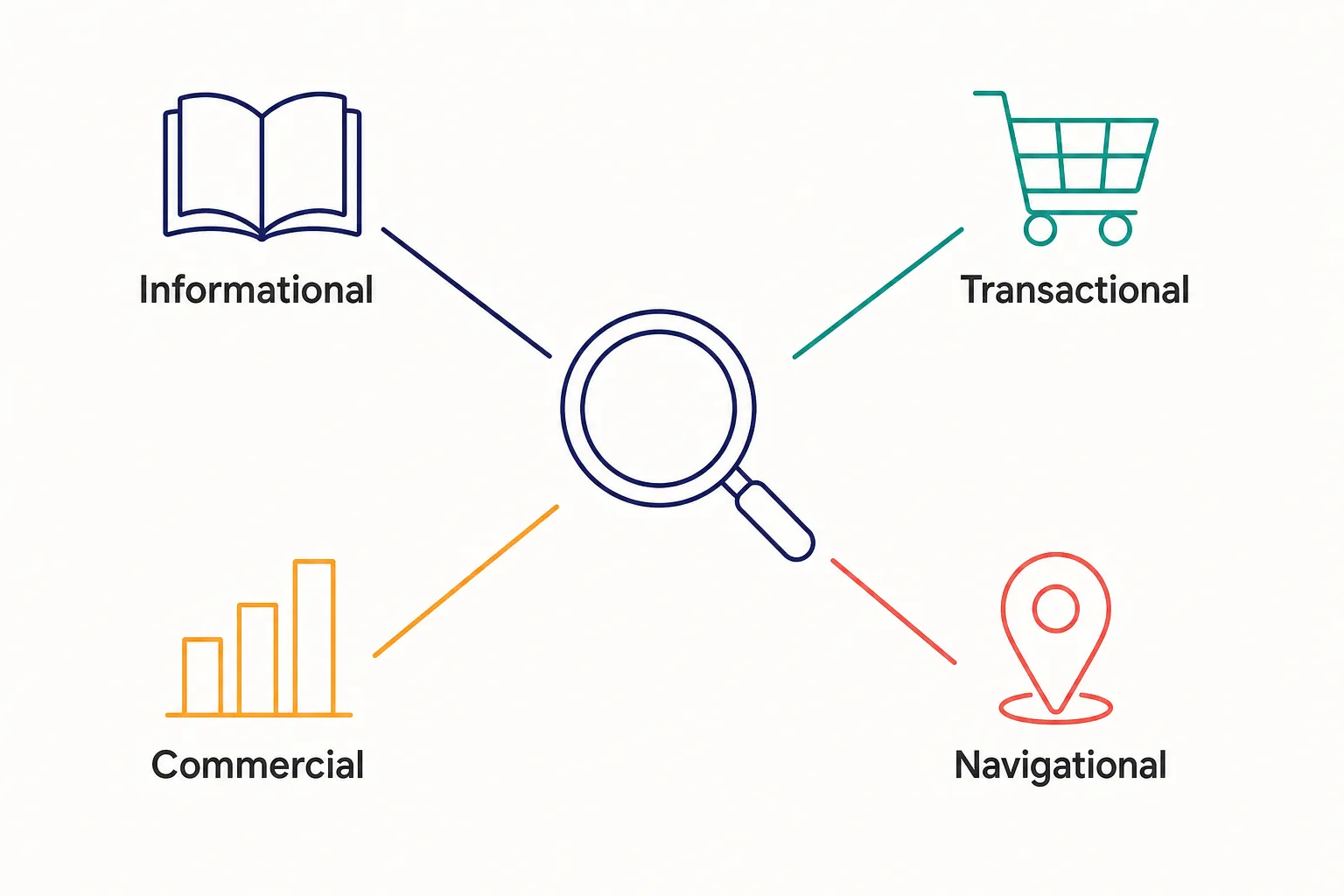
Back to our example, "best robot vacuum". The SERP is dominated by buying guides, review videos and online shops with snippets showing prices.
Analysis: The intent is clearly commercial. The user wants guidance before buying. To land on page one, you'll need a detailed, well-argued comparison.
Analysis technique: To study a SERP, inspect the featured snippets and special modules, examine the top 5 results, use Google's autocomplete suggestions and your SEO tools. This method reveals the exact intent (answering questions, selling, informing) and lets you create tailored content (tutorials, comparisons, product pages) to boost your visibility and conversions.
Discover the method for analysing the SERP and search intent
Step 3: analyse each result in depth
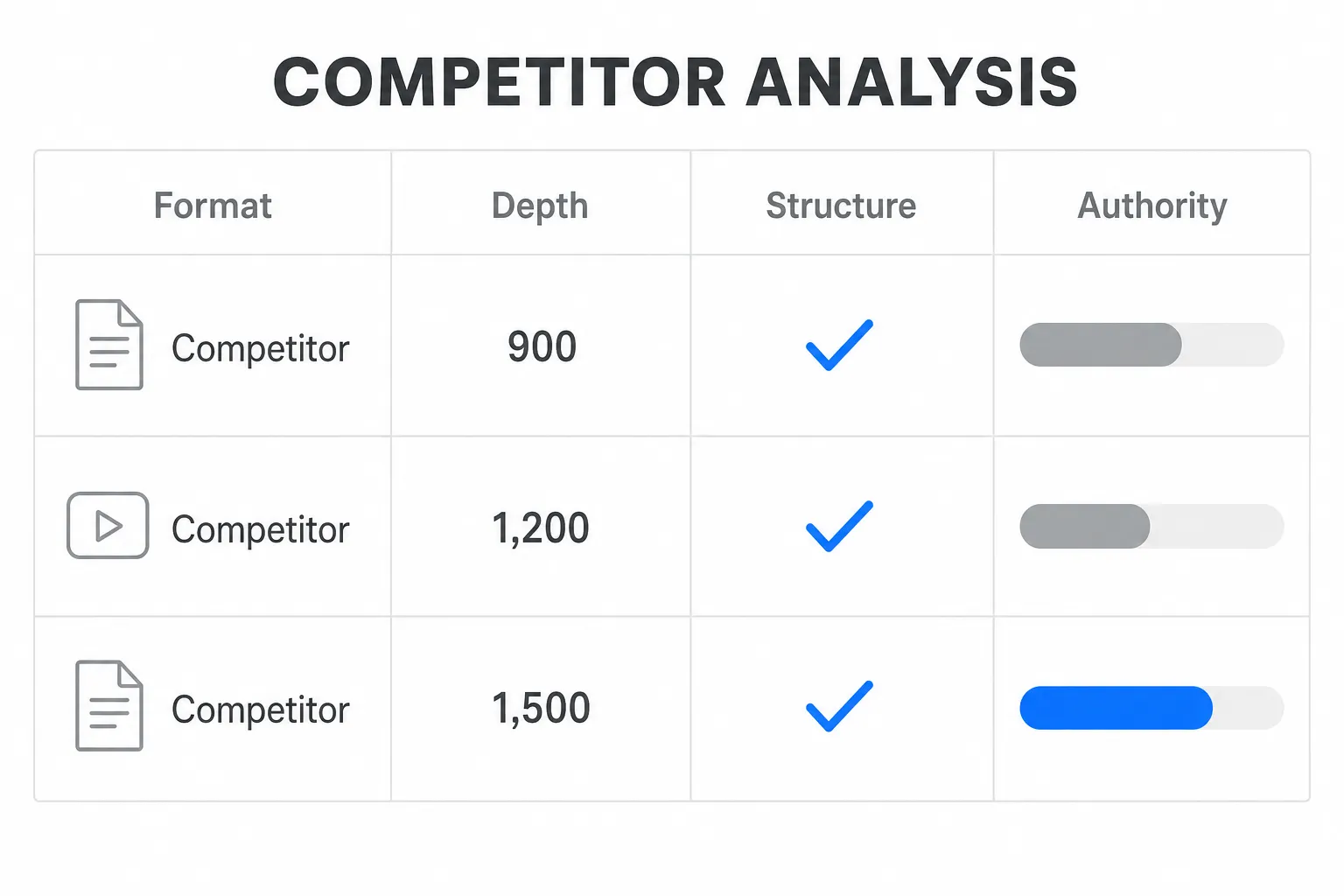
Now dissect the SERPs to study your direct competitors, meaning the top 3 to 5 organic results. Ask yourself these essential questions every single time:
What is the dominant format?
Blog post, category page or product page? Action: Google favours certain formats in its ranking. To maximise your chances, match your content to that format or offer a more polished alternative.
How long and how deep is the content?
Are the top-ranking resources concise or highly detailed? Action: Go deeper on the topic, refresh the data and add more value so you answer the search intent better than anyone else.
How is the content structured?
Study the make-up of the SERPs you've analysed: sections covered, formatting (lists, tables...), use of heading tags. Action: Borrow from that architecture and enrich it with whatever's missing.
What is the authority profile of competing pages?
Authority has a direct impact on position in search engines. Use an SEO tool to inspect your competitors' backlinks. Action: This analysis tells you how much effort you're up against. Solid link building will be crucial to boost your site's visibility.
Step 4: mine the keywords and semantic field
The SERP is a genuine ally for enriching your topical vocabulary and boosting your organic rankings.
- "People Also Ask" and "Related searches": Work these queries into your content to answer what searchers actually want.
- Bolded words: Note the terms Google highlights in the descriptions - they reveal relevant lexical alternatives.
- Competitor title analysis: Spot the keywords that recur in titles to understand how Google interprets this search.
Tip: By mastering this semantic field, you show Google that your content is complete. This method noticeably improves your chances of ranking.
Step 5: choose the right tools for a relevant analysis
Manually observing the SERP is useful, but certain analysis tools will save you a lot of time in your SEO strategy.
To simulate and extract the SERP
- Browser extensions (free): Tools like
Keyword SurferorSEOquakedisplay key metrics directly on the results pages, ideal for a first pass. - Advanced SEO platforms:
Semrush,AhrefsorUbersuggestprovide detailed SERP analysis and measure the competition precisely.
To track your performance
- Google Search Console (essential and free): This tool gives you precise data on how your pages perform (clicks, visibility, position). Essential for adjusting your SEO strategy.
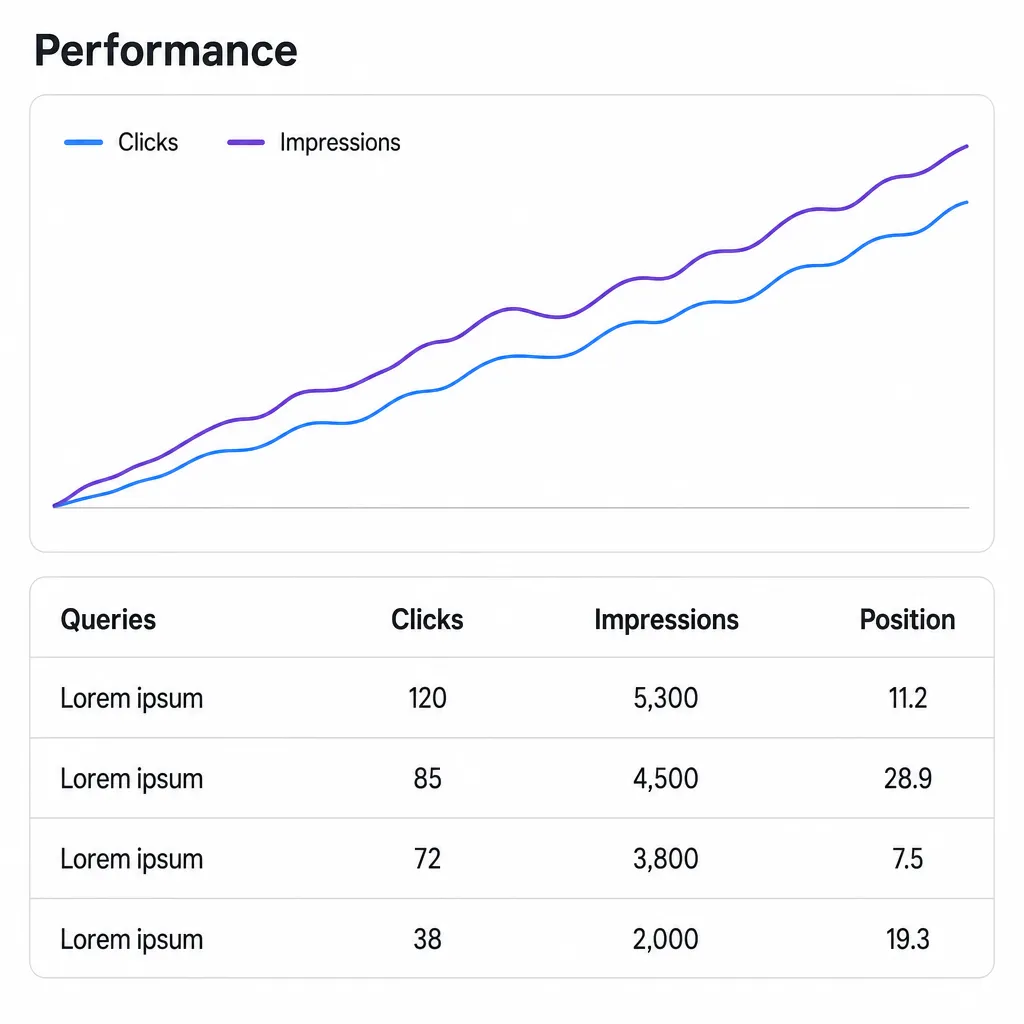
A good SERP analysis tool automates the collection: simply enter a keyword, pick the geographic area, and get up to 100 results in a few seconds for a complete comparative analysis.
SERP dynamics: a page in constant motion
SERP analysis captures a precise situation at a given moment, but don't forget that the SERP never stands still. It shifts constantly with algorithm updates, seasonal trends and new features such as AI Overviews and AI Mode, which now sit above the classic results for many queries.
That's why you need to actively monitor your competitors and regularly re-examine your strategic SERPs, so you can adjust your SEO strategy and consolidate your rankings over the long term. Full ranking history and alerts will let you react quickly to significant fluctuations.
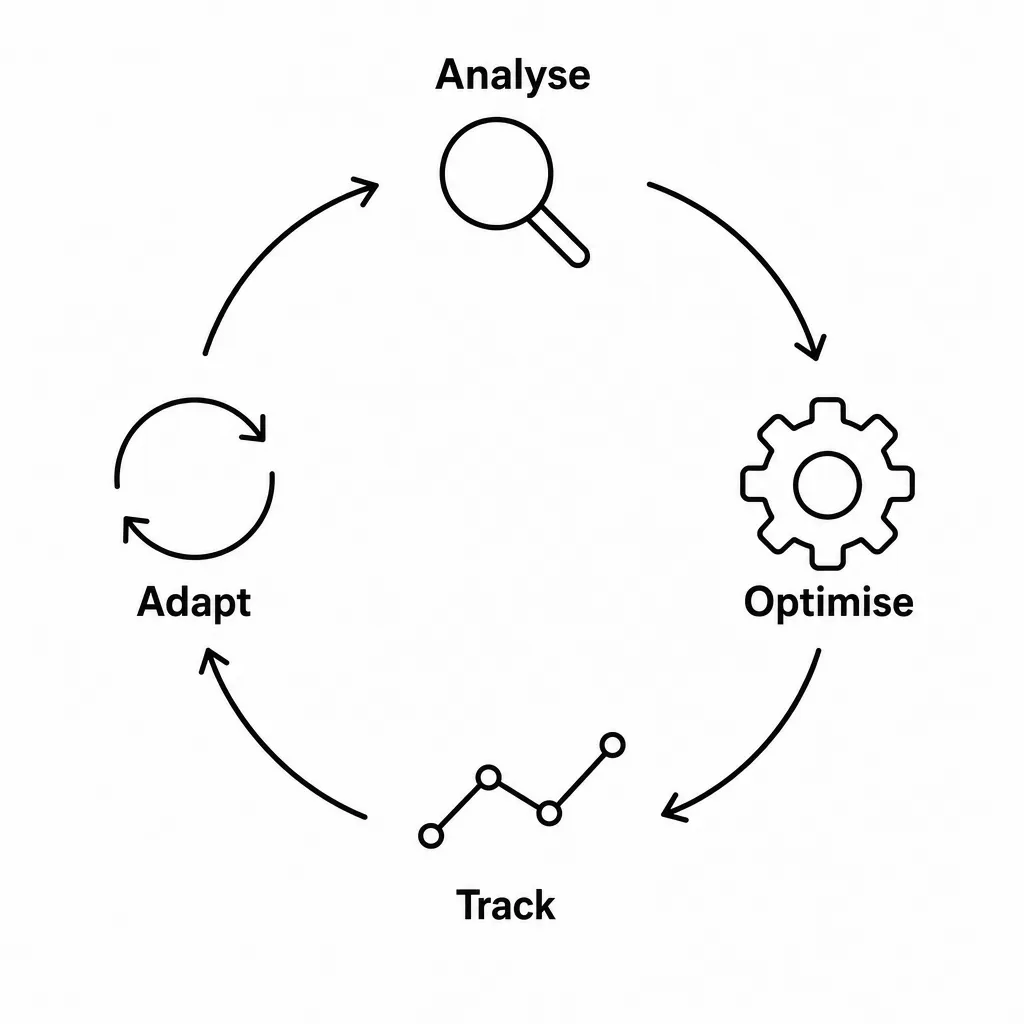
This practical guide to SERP analysis shows you how to: identify your real SEO competitors, study their keywords (long-tail terms and overlooked opportunities), analyse their content and on-page structure, assess their backlink profile, and set up strategic monitoring to seize SEO opportunities. The method offers tangible actions: spot the sites that keep showing up for your queries, decide on priority keywords with an analysis tool, build topic clusters, optimise pages for quick wins, and follow how your rankings evolve to refine your approach. By combining technical performance, editorial quality, popularity (backlinks) and UX, you'll end up with an effective roadmap for turning your competitors' weaknesses into levers for your own visibility.
Read our complete guide to mastering the SERP and outranking your competitors

Rank Higher Without the Manual Work
From technical audits with Nox to competitor monitoring with Marc, Sedestral's AI agents cover every layer of SEO so your team doesn't have to.