Picking the right keywords is the foundation of any SEO strategy that actually works. But how do you turn a plain list of terms into a real action plan, one that brings in qualified traffic and builds your authority?
This guide goes well beyond a simple checklist. We walk you through a complete, step-by-step method for running proper keyword research and spotting keywords with real potential. You'll also learn to decode the search intent behind every query, so you can produce content that matches what users expect and what Google's ranking criteria reward.
To keep things concrete, we'll follow one example throughout: an online store that wants to rank on the topic of running for beginners. Our main keyword will be: "beginner running training plan".
By the end, you'll have every method you need to turn any subject into an organised keyword list, then into an editorial calendar full of content optimised for Google.
Understand the language of your audience
Before you open any keyword tool, you need the SEO basics down.
- What is an SEO keyword? It's the exact phrase your target audience types into Google. Learning how to choose the right keywords is the first decisive step in your organic ranking.
- Intent: the key ingredient. Every query reveals a specific need. There are 4 types of intent:
- Informational: the user wants an answer (e.g. "beginner running plan 5k").
- Navigational: they want to reach a specific site (e.g. "Asics running official site").
- Commercial: they're comparing products (e.g. "which heart rate monitor for running?").
- Transactional: they're ready to buy (e.g. "men's running shoes sale").
- Our example "beginner running training plan" is mostly informational. To go further, learn how to analyse search intent in SEO.
- Generic keywords versus specific keywords:
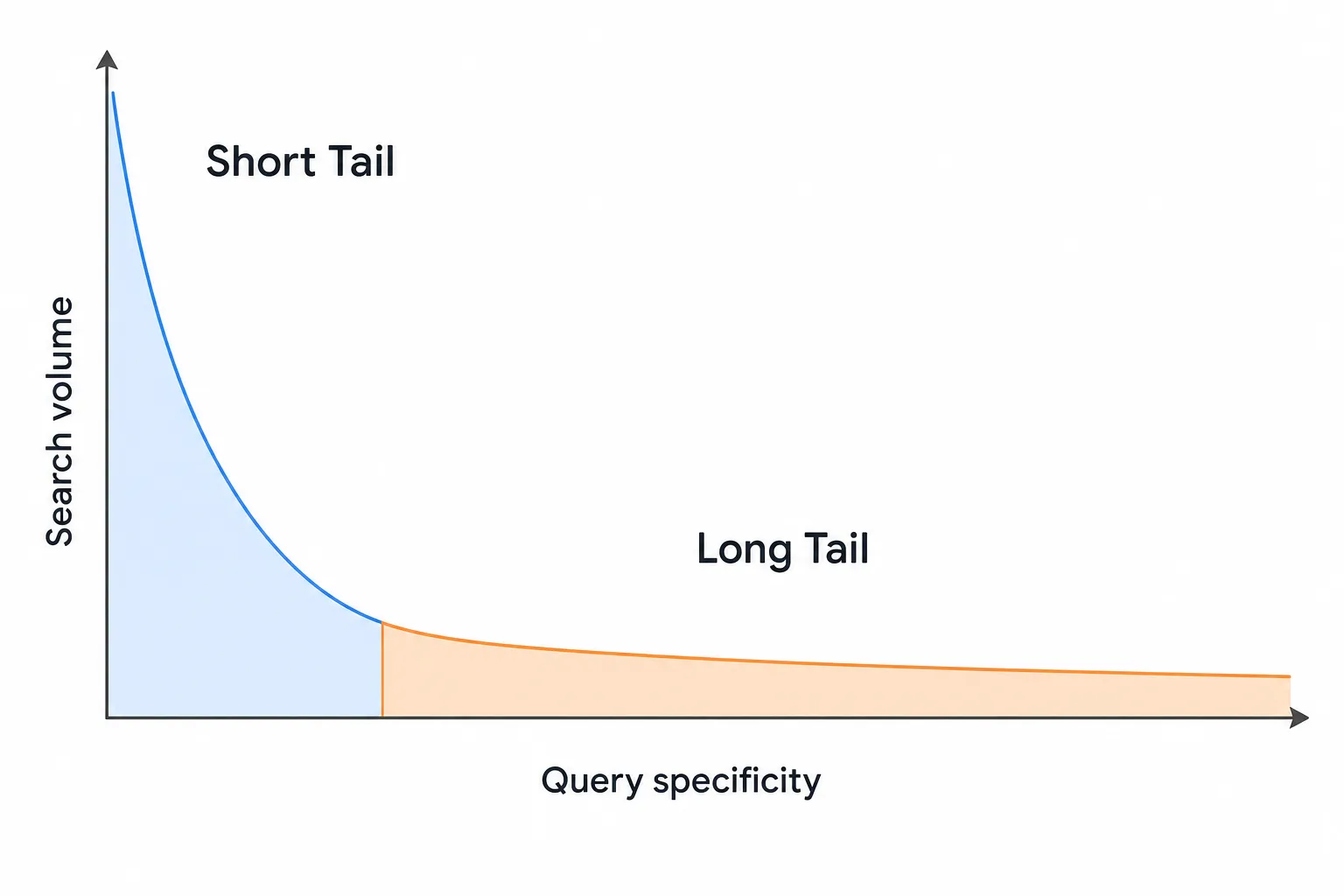
- Short tail: broad terms with a high search volume but fierce competition (e.g. "running").
- Long tail: more targeted phrases with a lower volume but traffic that converts better. Favouring these long-tail keywords helps you avoid cannibalisation and climb the rankings faster.
Analyse the SERP before you act
Google's results page is your best ally. It helps you analyse your competitors, gauge the competition and spot the phrases missing from your content.
Practical method: open an incognito window, search your query and look at:
Good to know: incognito mode limits result personalisation, which gives you a more neutral view for your SEO keyword research.
- Type of content shown: for a query like "beginner running plan", you'll mostly see detailed PDFs and complete guides. That means your content needs to be especially thorough.
- SERP features: the "People also ask" box reveals complementary keyword ideas and questions worth answering.
- Spotting competitors: check their reputation and their backlinks. Three strong competitors in the top results signal fierce competition.
This study tells you exactly what content to create and gives you a solid keyword analysis to build on.
Tools: from raw data to strategy
Tools don't make the strategy, but they feed it. To find the right keywords and know their search volume, combine:
- Free tools: Google Keyword Planner for volumes, Google Trends for trends, AnswerThePublic for related searches.
- Paid solutions: Ahrefs and Semrush are excellent for sizing up the competition and identifying the keywords used by your competitors.
- Sedestral: our platform automatically groups your phrases into topics and gives each page a content score.
This article explains how to choose SEO keywords using topic clusters: identify a main keyword, create a comprehensive pillar page and supporting pages for the sub-topics. Discover the cluster method for choosing SEO keywords
Our guide shows in practice how to choose SEO keywords that bring relevant traffic: understand search intent, analyse volumes and competition, build clusters and target the best opportunities. Discover how to choose your SEO keywords
From keyword to topic cluster
Once you've analysed your relevant keywords, it's time to organise them properly. Structure your results into:
- Pillar page: dedicated to your main keyword, it acts as the central hub.
- Cluster pages: they target long-tail phrases tied to the main theme and link back to the pillar page to strengthen its weight.
- Reciprocal links: every cluster page should both point to the pillar page and receive a link back from it.
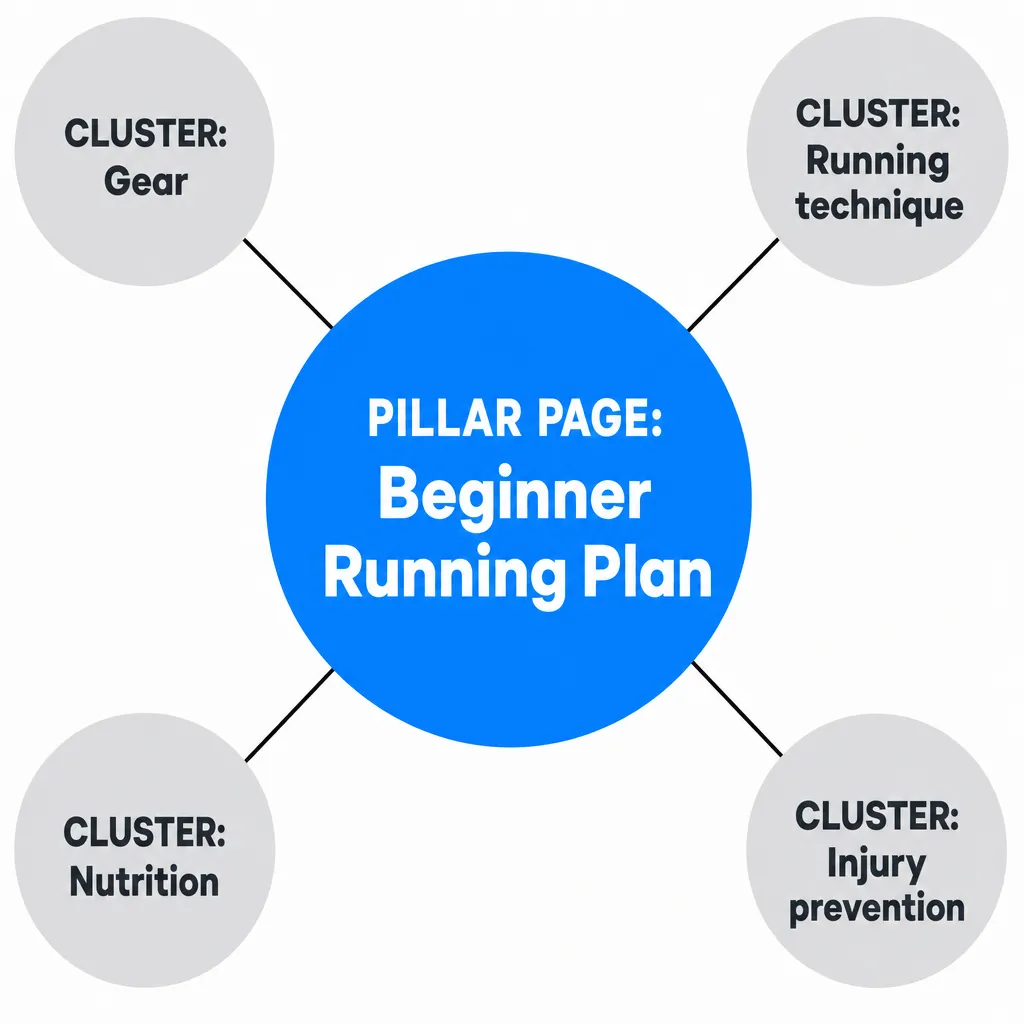
This method proves your expertise to Google and gives your rankings a serious boost. To make the organisation easier, try our tool built for creating topic clusters.
Pro tip: the end result of your keyword research shouldn't sit in a spreadsheet. Plan an editorial calendar so you publish content regularly (2-3 articles a week) and cover every phrase you've identified.
This guide highlights how crucial the long tail is when choosing your SEO keywords: these more specific phrases can add up to a large share of your traffic. Learn the art of choosing keywords in the long tail
Optimise and place your keywords
Now that you know how to find relevant keywords, here's how to use them strategically. Take a page on "beginner running plan" as an example:
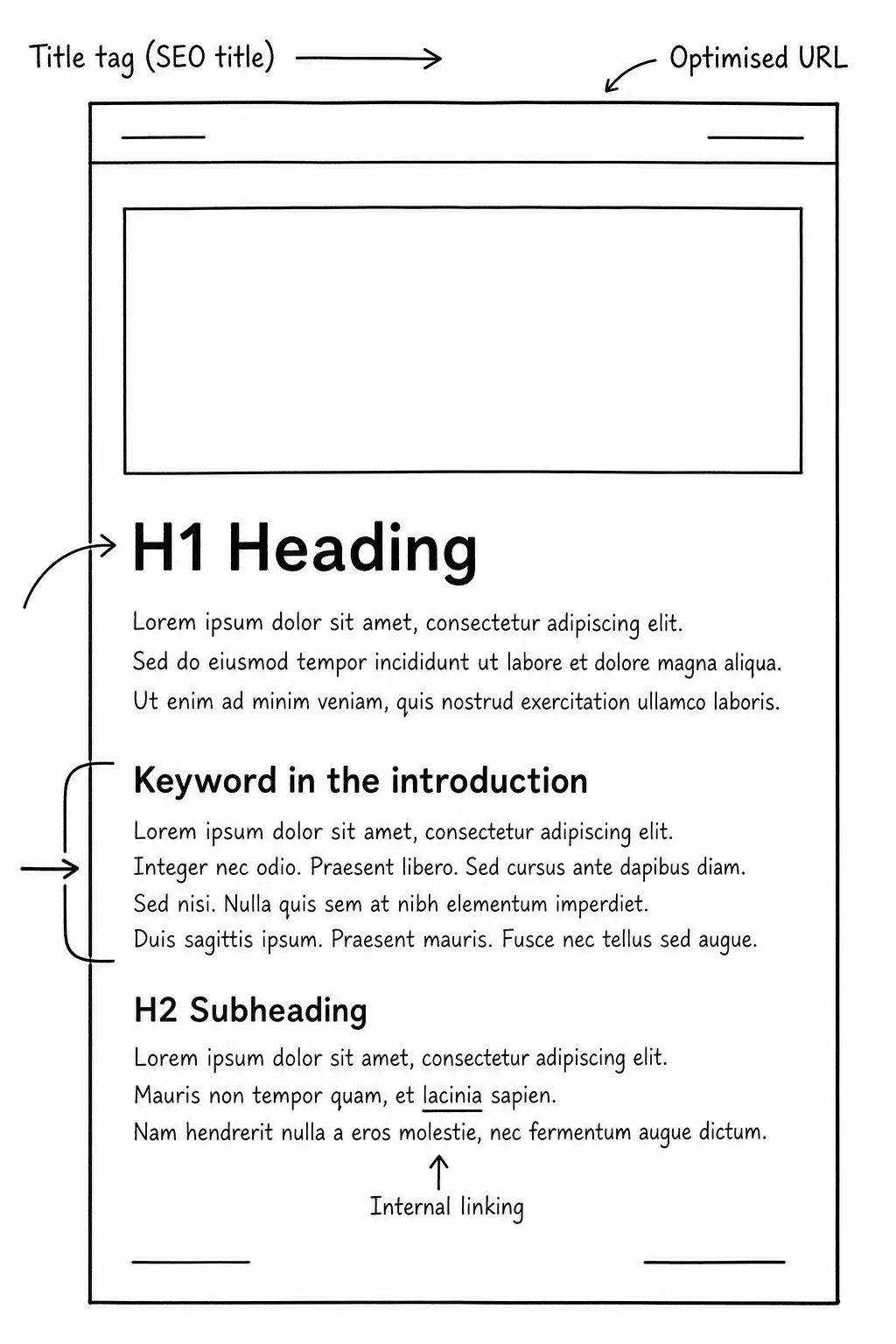
- URL: simple, clear and descriptive.
- Title tag: include your main keyword and an immediate benefit.
- Meta description: win the click with a punchy hook, and mention the search volume if it's relevant.
- H1-H2 headings: use Google's suggestions and vary your wording.
- Introduction: place your main keyword in the first few lines.
- Body copy: cover the subject exhaustively with a logical structure and natural keyword use.
- Images: optimise alt attributes with precise descriptions.
Once published, connect Google Search Console to track your performance. Review monthly searches and keep refining your approach.

Automate Your SEO With AI Agents
Sedestral connects six AI agents to your website to handle content, audits, rankings and backlinks, without the manual grind.