Picture this: you've just opened a new restaurant. The food is excellent, the service spot on. Yet the first online reviews are lukewarm because of a misunderstanding. Within days, that digital perception becomes a reality that hits your bookings. That's the power, and the danger, of reputation in the digital age.
This in-depth guide walks you through how reputation works and the key role it plays in shaping the digital identity of a business, a brand or an individual. With concrete examples and expert advice, you'll see how it directly influences trust, buying decisions and long-term success.

What is reputation? A fundamental definition
Reputation is the collective judgement a social group forms about an entity. The Oxford English Dictionary puts it plainly: "the beliefs or opinions that are generally held about someone or something."
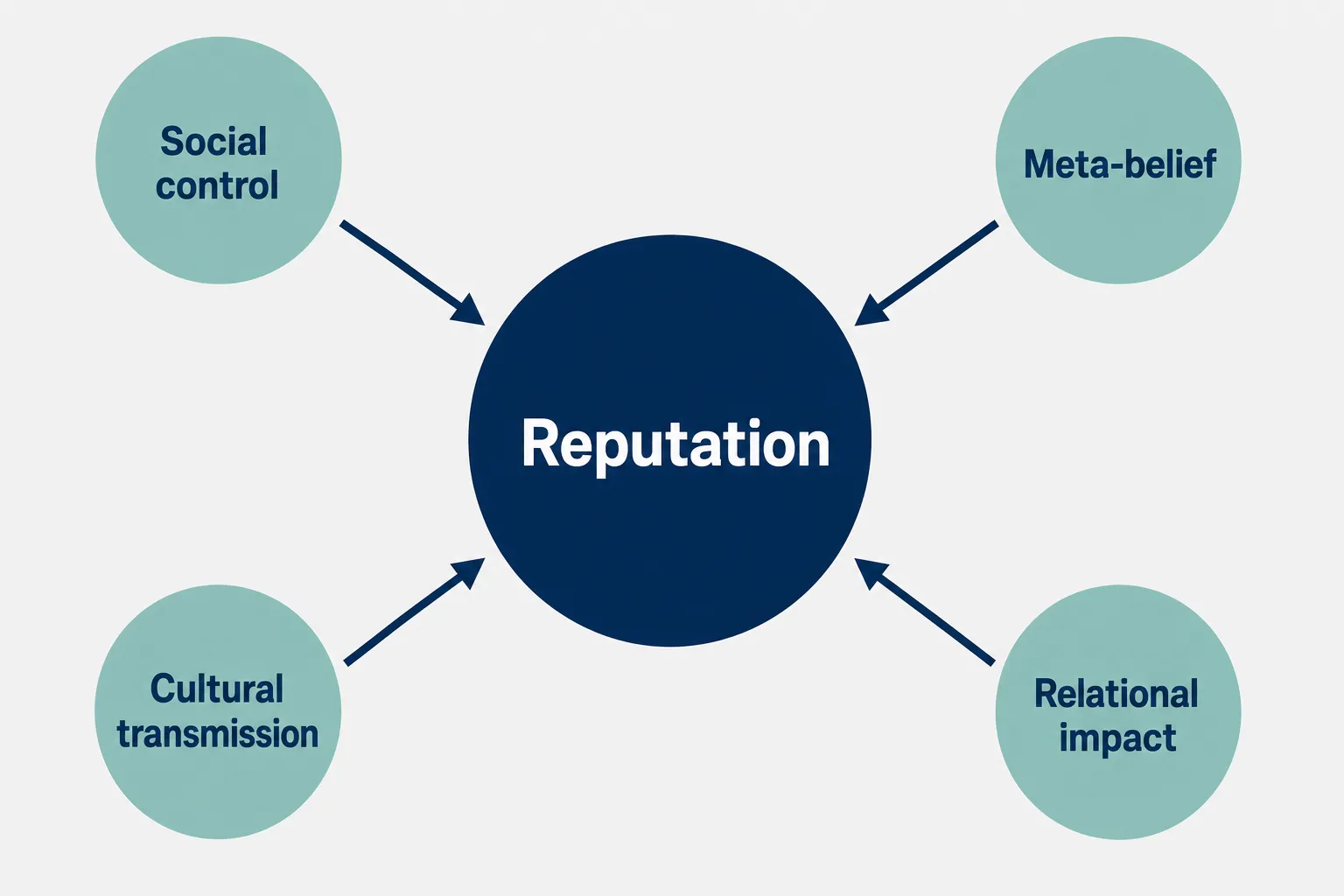
It's more than a simple opinion. It's a powerful social mechanism built on:
- Social control: a natural mechanism that regulates individual behaviour so people conform to a group's norms.
- Meta-belief: an aggregate of information, first-hand experiences, testimonials and sometimes rumours that circulate and shape a shared opinion.
- Relational impact: as researchers such as Robert Axelrod have shown, a good reputation is the bedrock of trust. It reduces uncertainty and encourages cooperative behaviour, because it tells us how likely an entity is to act reliably in the future.
- Cultural transmission: it's embedded in our culture through timeless sayings and quotes, like the old saying "reputation outlives virtue".
In short, reputation is an intangible asset built through consistent action over time. A tradesperson whose work is reliably good will, project after project, build a solid reputation that becomes their best sales tool.
Reputation in the digital age: online reputation
Online reputation, sometimes called e-reputation or digital reputation, is the public image of an entity on the internet. It's the sum of every piece of content accessible online that shapes the digital trust users place in you.
Today's consumers spend time evaluating a brand across multiple channels before making a decision. A business showing an average rating of 4.7/5 on Google, backed by dozens of positive reviews, will be far more attractive than a poorly rated competitor.
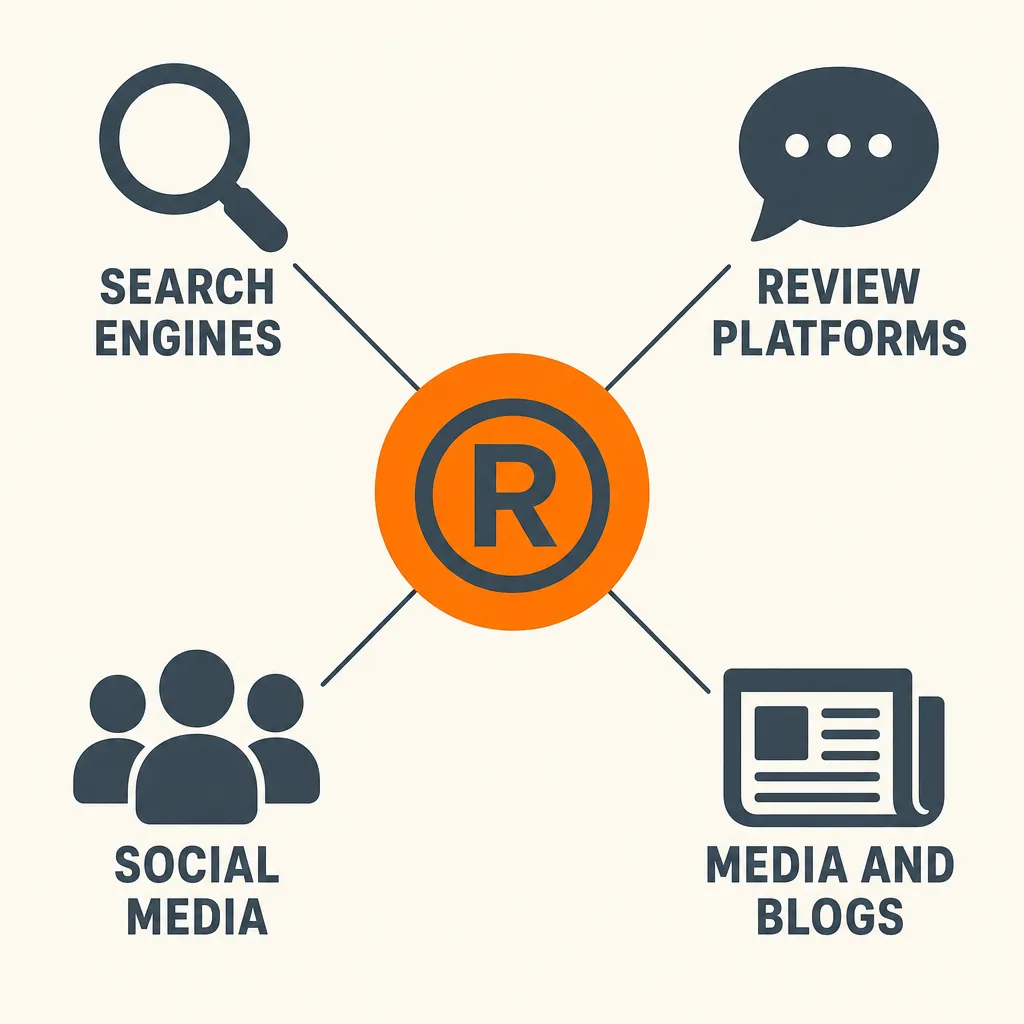
Main channels that build online reputation
- Search engines: Google's results page is the new global shop window. Understanding users' search intent is the first step to knowing which content will shape their first impression of your brand.
- Review platforms: Sites like Trustpilot, Yelp or G2, and above all Google reviews on Business Profiles, are pillars of your reputation.
- Social media: Instagram, LinkedIn, X (Twitter), Facebook and TikTok are echo chambers. A post, a review or a PR blunder can go viral in a matter of hours, for better or for worse.
- Media and blogs: Online press articles, product comparisons and posts from influential bloggers all actively shape how a brand is perceived.
Examples and key figures that prove its importance
The data confirms the direct impact of online reputation on business.
- According to BrightLocal's Local Consumer Review Survey (2023), 98% of consumers used the internet to find information about local businesses in 2022.
- The same survey shows that 76% of consumers "always" or "regularly" read online reviews for local businesses, and that 87% used Google to evaluate local businesses in 2022. Every public rating becomes a building block of your reputation.
- A single negative article on the first page of Google can visibly cost you customers, which is why monitoring matters.
On the flip side, an excellent online reputation is a growth lever: it strengthens credibility, fuels word of mouth and naturally attracts new prospects.
Traditional reputation vs. online reputation: what really changes
The foundations are the same, but online reputation has some radical specifics:
| Characteristic | Traditional reputation | Online reputation (digital) |
| Speed | Slow, built over years (word of mouth). | Instant. Spreads in real time; a single post can travel the world in an hour. |
| Control | Partly manageable (communications, public relations). | Loss of control. Opinion is decentralised, created by millions of users. |
| Scope | Local, limited to a community or an industry. | Global. Everything is public, accessible everywhere, all the time. |
| Durability | Memories fade. | Permanent. Information is archived and can resurface years later. |
How to manage your online reputation effectively: our proven process
Knowing what online reputation is is one thing. Managing it to build a positive digital presence is another. Here's a strategic, hands-on approach.
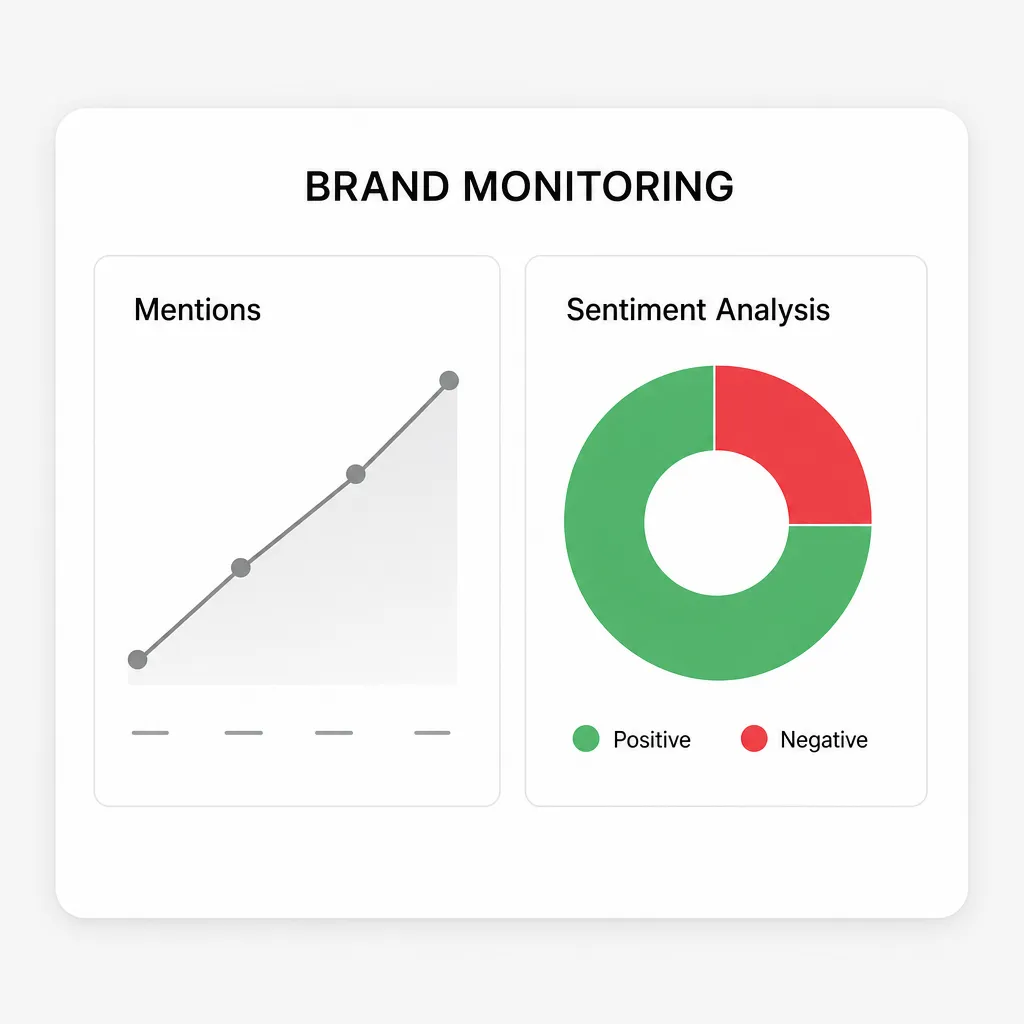
Monitoring: listen to what's being said about you
- Google Alerts: a free, simple tool that emails you as soon as your name or brand is mentioned.
- Social listening tools: more advanced solutions like Brand24, Mention or Hootsuite let you monitor social networks and the wider web in depth.
- Review platform tracking: centralise the monitoring of your Google Business Profile, Trustpilot, Yelp and other listings so you never miss a piece of feedback.
Responding and creating: act and build
- Reply to EVERYTHING: Thank people for positive reviews. For negative ones, reply professionally and with empathy. Show that you take criticism on board to improve. It's an extremely strong trust signal.
- Produce positive content: Publish content regularly that demonstrates your expertise. Blog posts that closely follow Google's quality criteria, such as E-E-A-T, case studies and videos will occupy the search space and strengthen your image.
- Ask for reviews: Actively encourage happy customers to leave a review. A steady flow of positive reviews is the best defence against the occasional negative comment.
Crisis management: dealing with reputational risk
- Don't react in the heat of the moment. Assess the situation and prepare a transparent, honest response.
- Bring in experts if the crisis escalates. A specialist agency can help you steer the response.
- Know your rights: For unlawful content (defamation, harassment), legal remedies exist. In the UK and EU, individuals can use the GDPR "right to be forgotten" to request the delisting of results about them (it covers personal data, not company names); in the US, you'll rely on defamation law and platform takedown requests to clean up your image.
Why online reputation is crucial for your business
Today, your online presence is inseparable from your reputation. Ignoring it is like leaving your shop door wide open with nobody watching.
- Influence on purchasing: As we've seen, online reviews are a major decision factor. A good reputation is a direct selling point.
- Employer brand: 75% of candidates research a company's reputation before applying (source: LinkedIn). Platforms like Glassdoor and Indeed, plus reviews on LinkedIn profiles, are scrutinised by top talent. A strong employer reputation attracts and retains them.
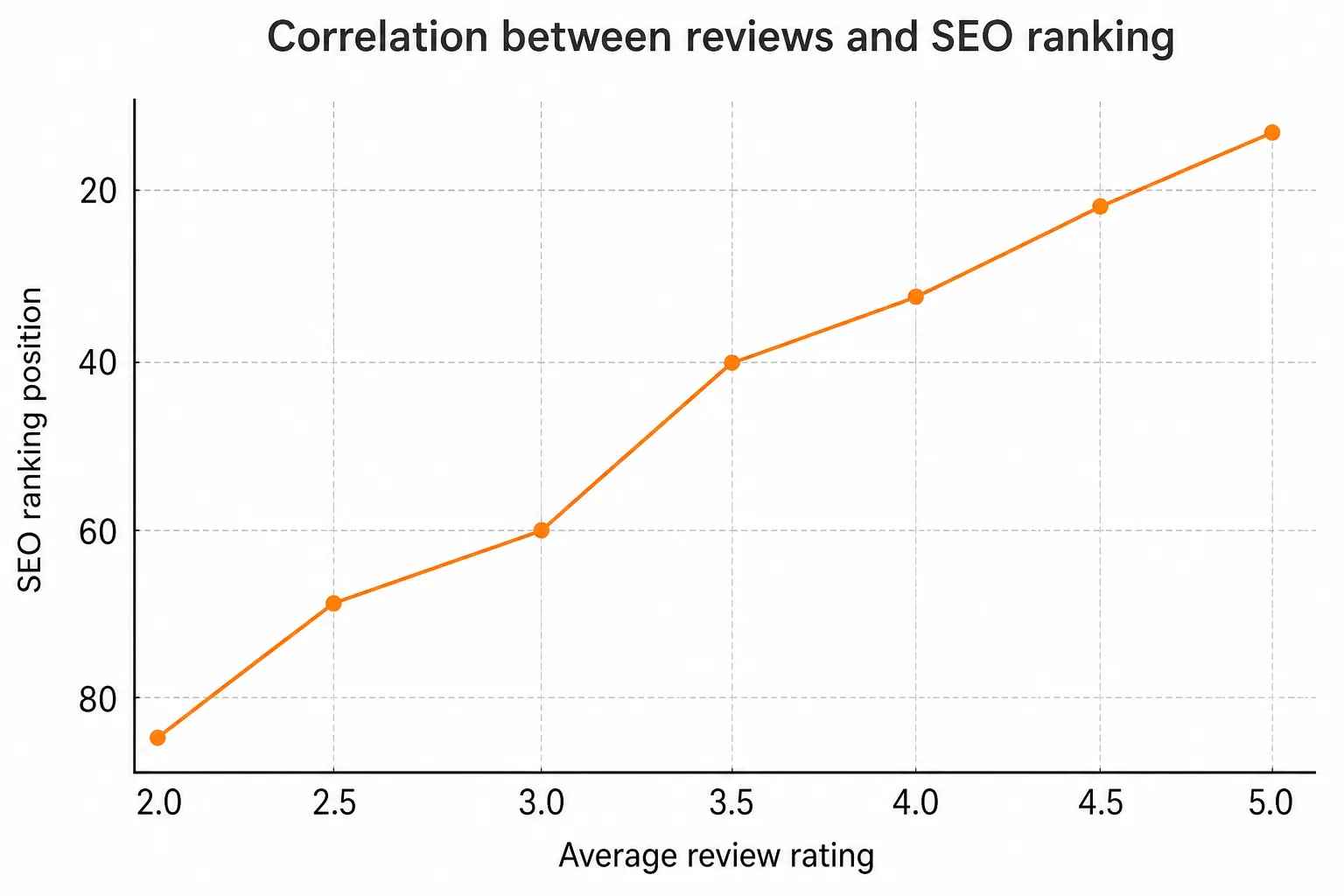
- Organic search (SEO): Your reputation also has a direct impact on your organic SEO. In local results, Google says that more reviews and positive ratings can help your business's ranking.

Automate Your SEO With AI Agents
Sedestral connects six AI agents to your website to handle content, audits, rankings, backlinks and images, without the manual grind.